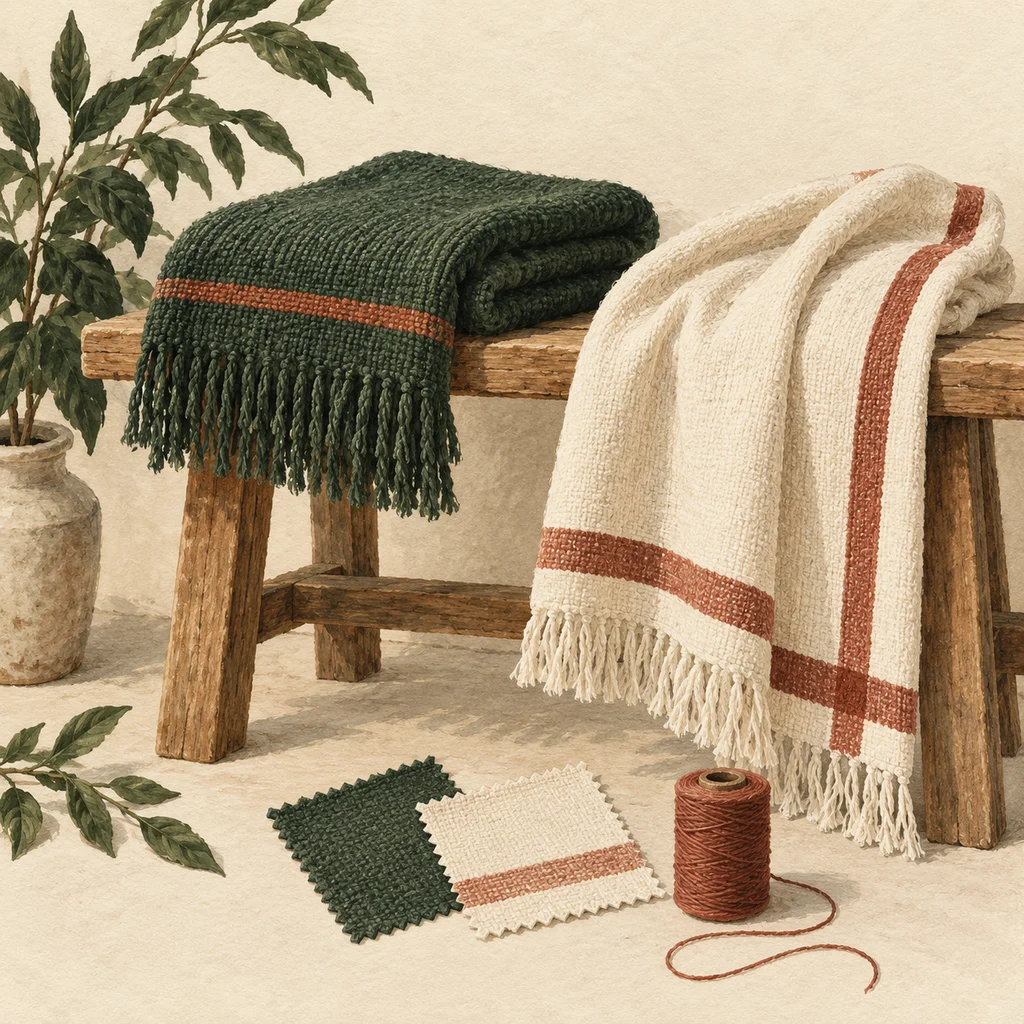
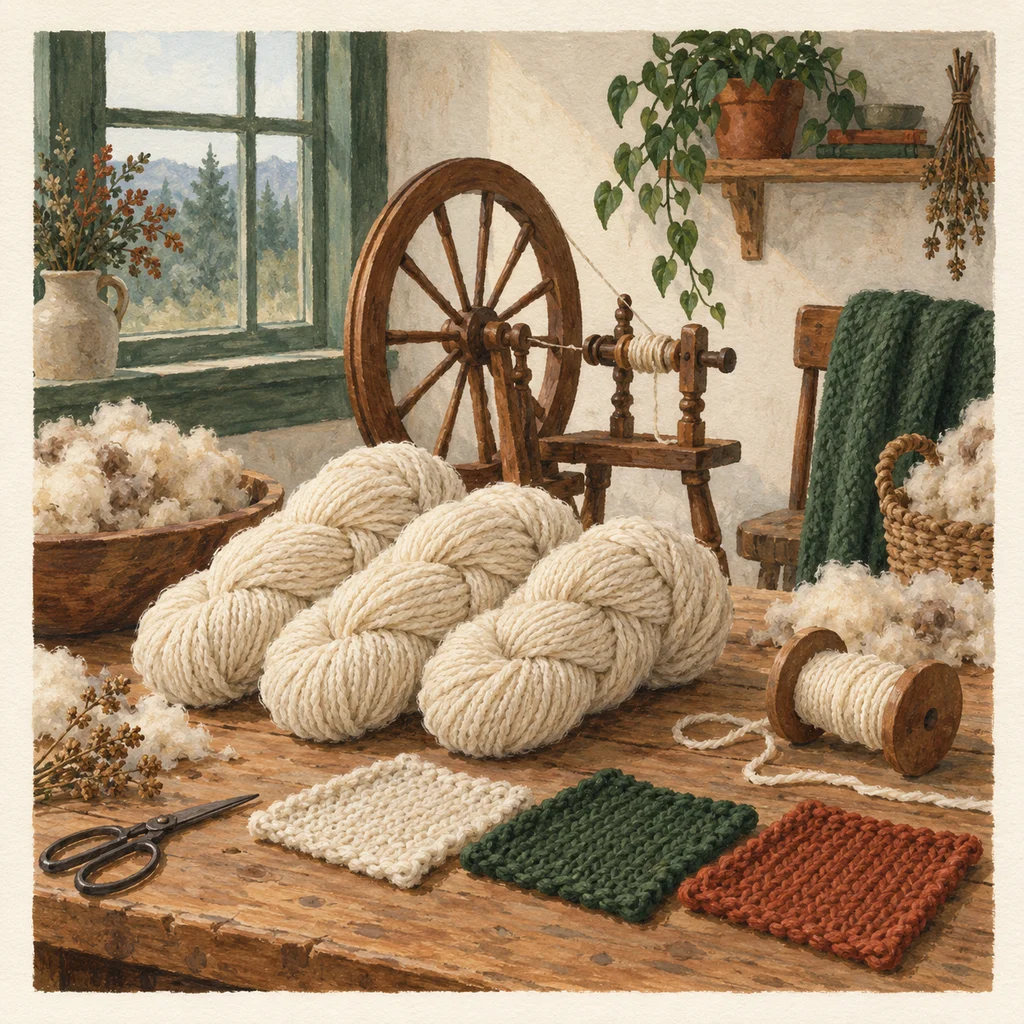
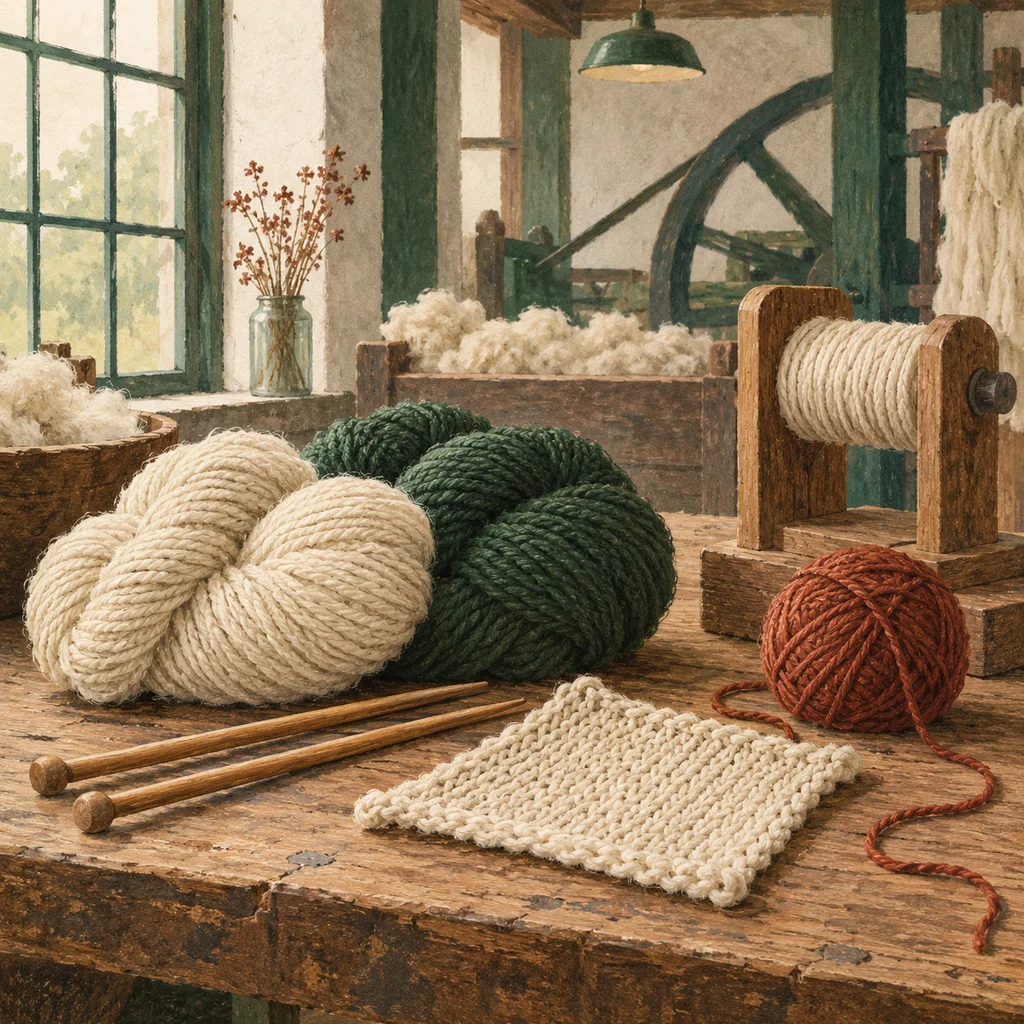
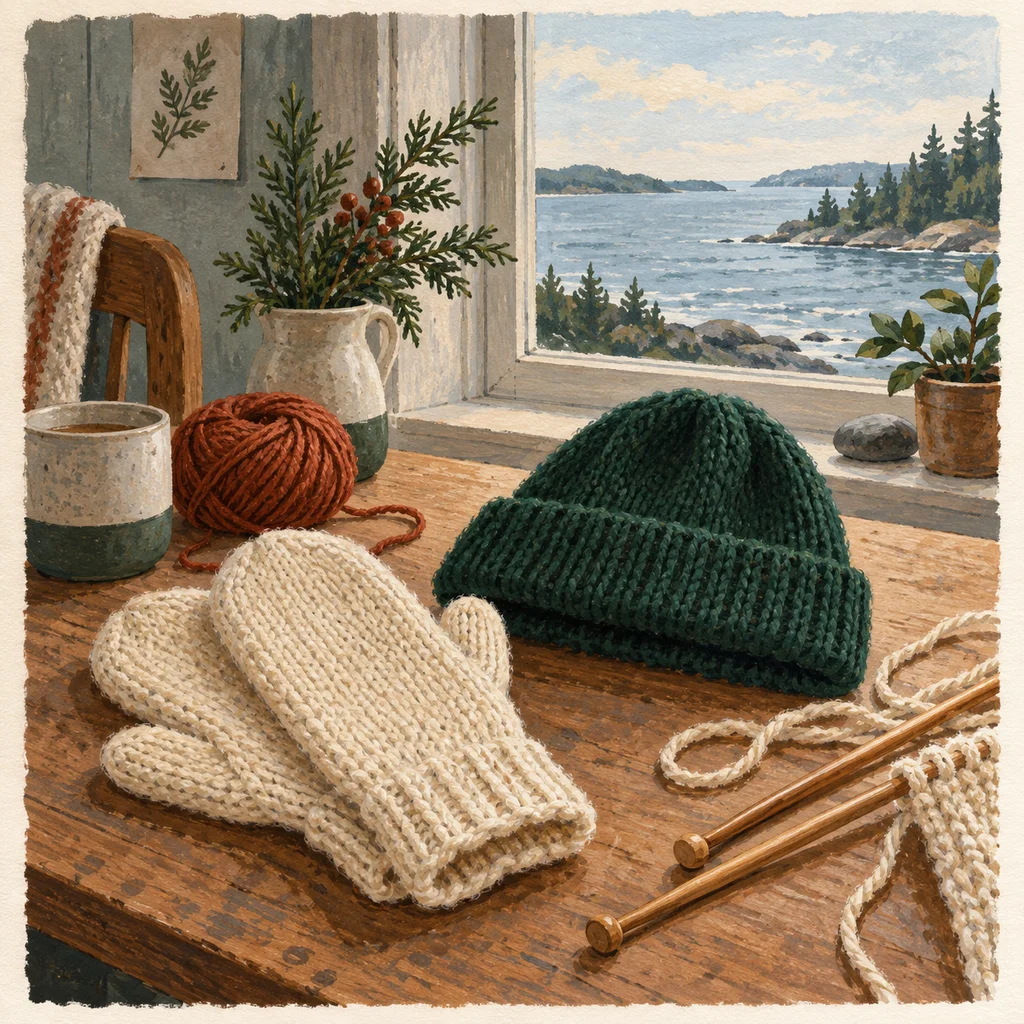
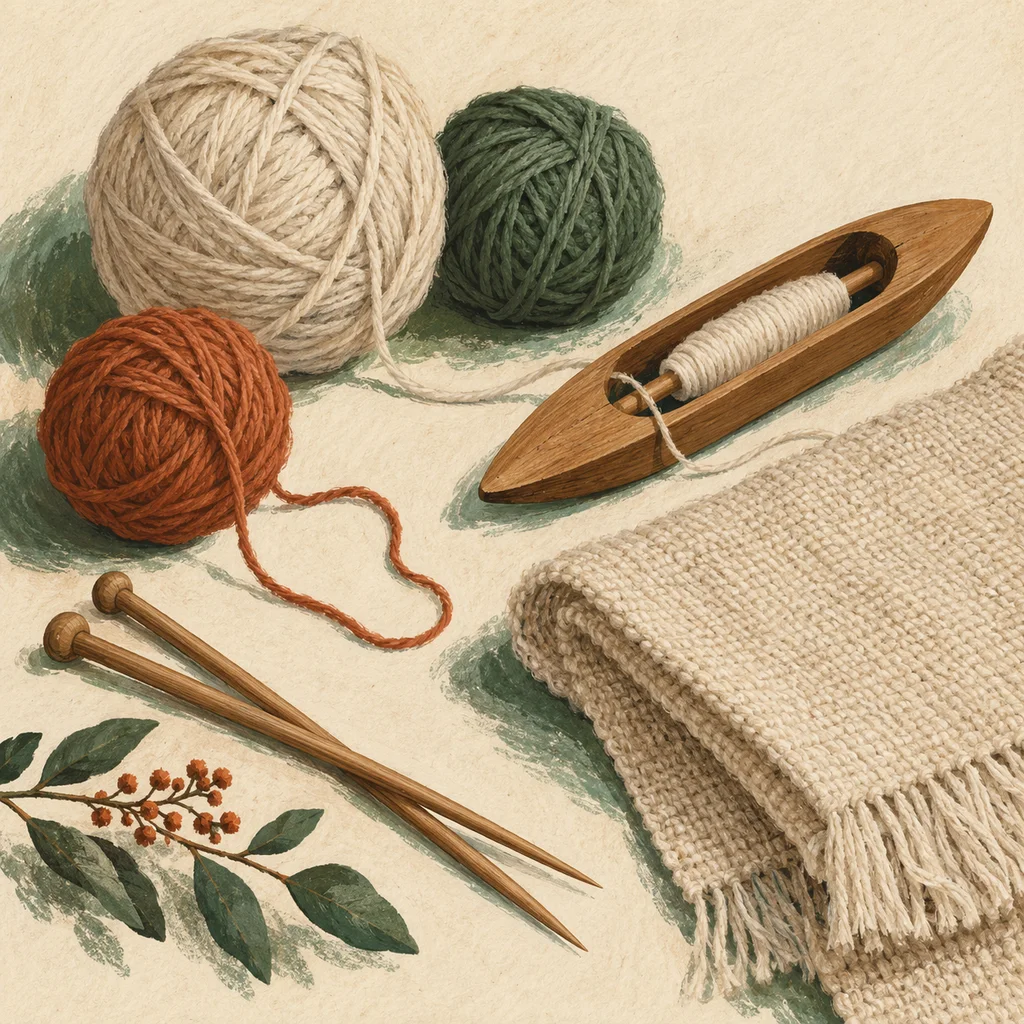
From wool to a blanket, with a family mill behind it.
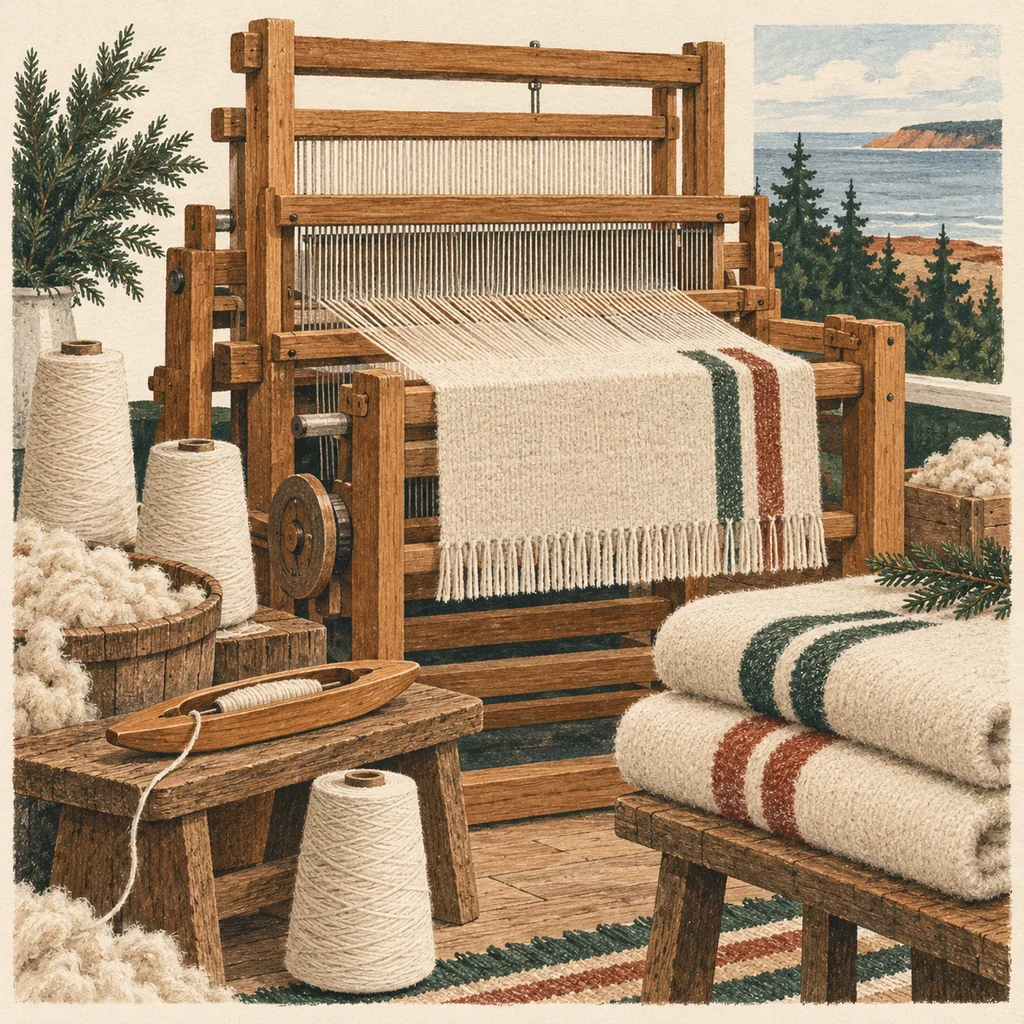
A Bloomfield wool mill whose own history names Alex and Monica as its current family operators. Its published process follows wool through washing, carding, spinning and blanket weaving on PEI.
Start with the garment label, then choose the layer.
Stanfield’s offers everyday underwear and wool layers from a long-running Truro manufacturing business. The two selected listings explicitly carry Made in Canada labels; that evidence does not cover every item in its catalogue.
Illustrated paper goods and hand-poured candles from a Quebec design studio.
Mélanie Ouellette and Brice Salmon founded Baltic Club in 2014. Its current contact page describes online operations from Montréal and shipping from Repentigny.
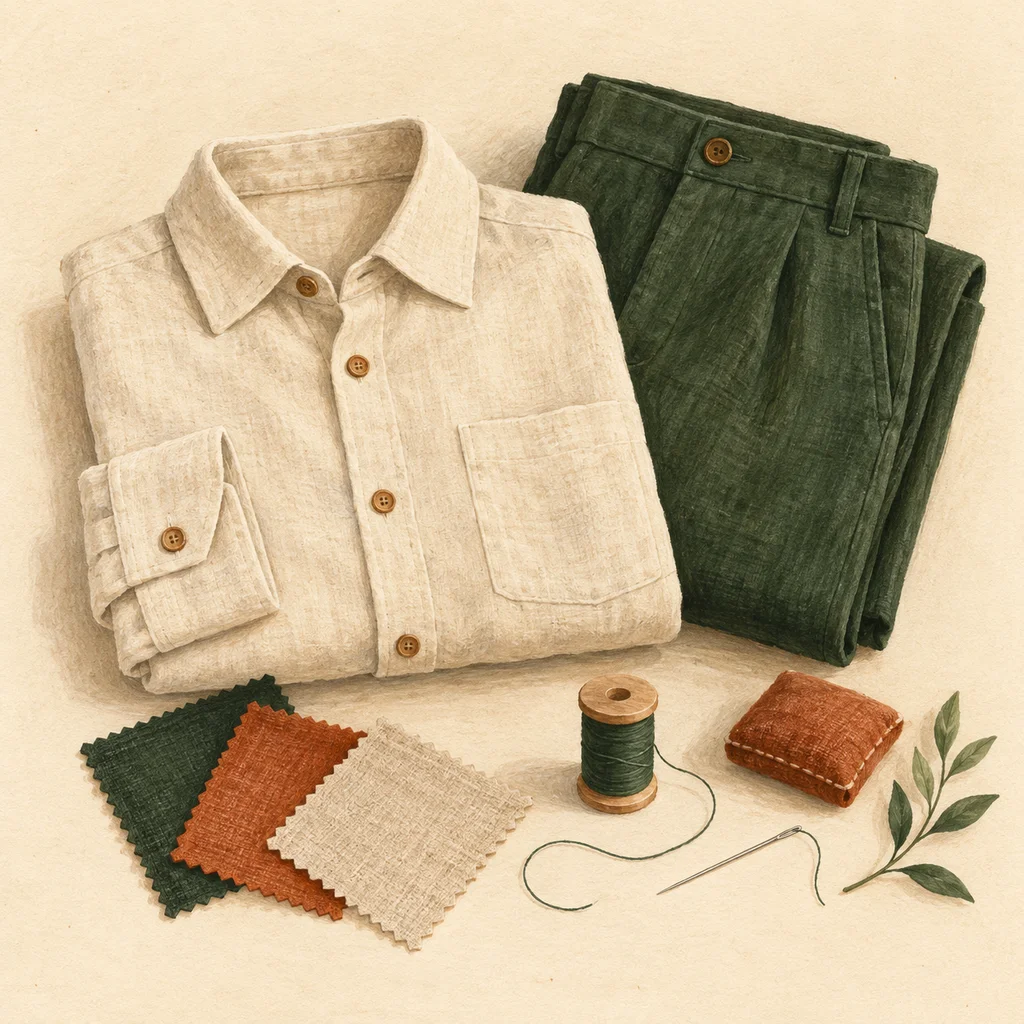
Clothing staples with Canadian cut-and-sew production at the centre.
Founders Julie and Jeremy built Province of Canada around local clothing manufacture. Its official pages list two Toronto shops and a custom-garment programme.
Canadian-designed basics with overseas manufacture explained separately.
Kotn’s Canadian-apparel page describes design in Toronto and manufacture in Egypt and Portugal. Its current help page also includes Turkey among its manufacturing locations.
Choose a textile by where it will go and how it needs washing.
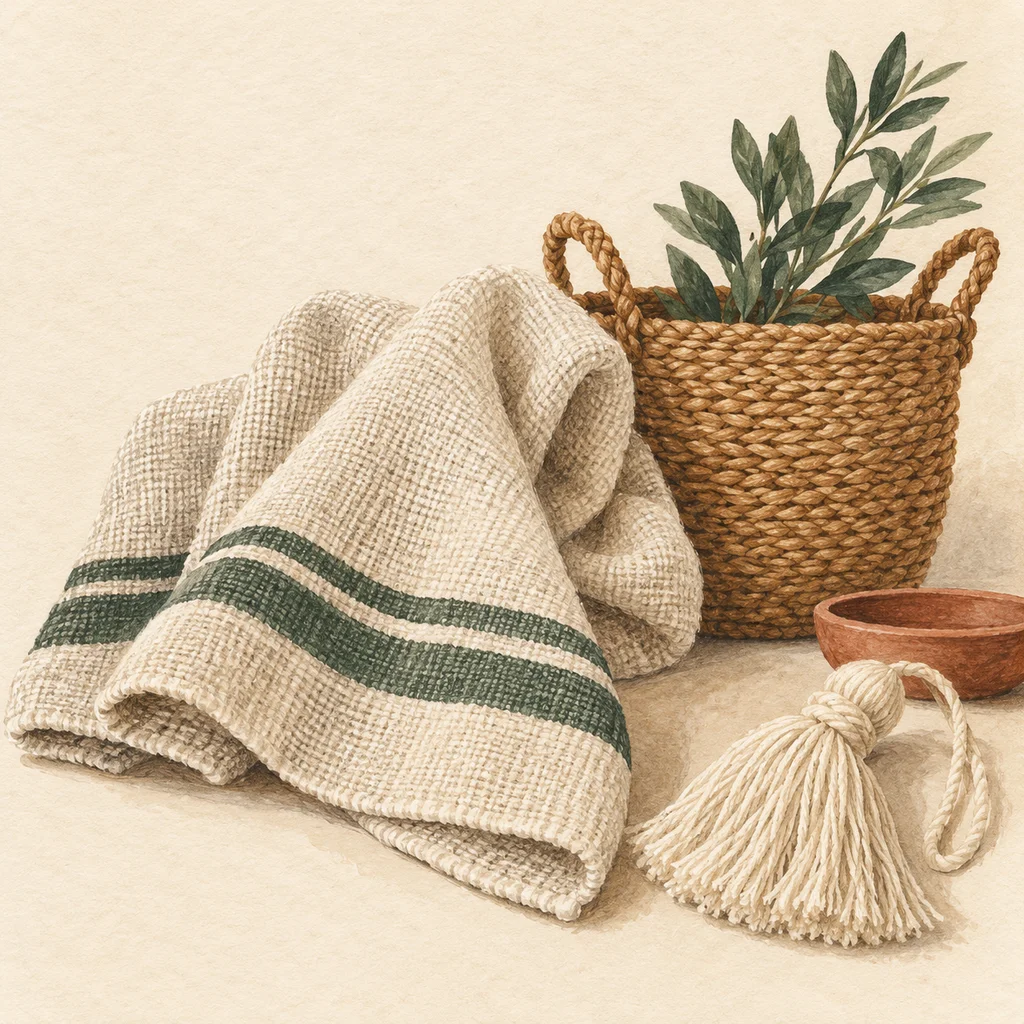
A Canadian textile business since 2015, designing in British Columbia and working with makers abroad. Compare a packable picnic blanket and cotton throw.
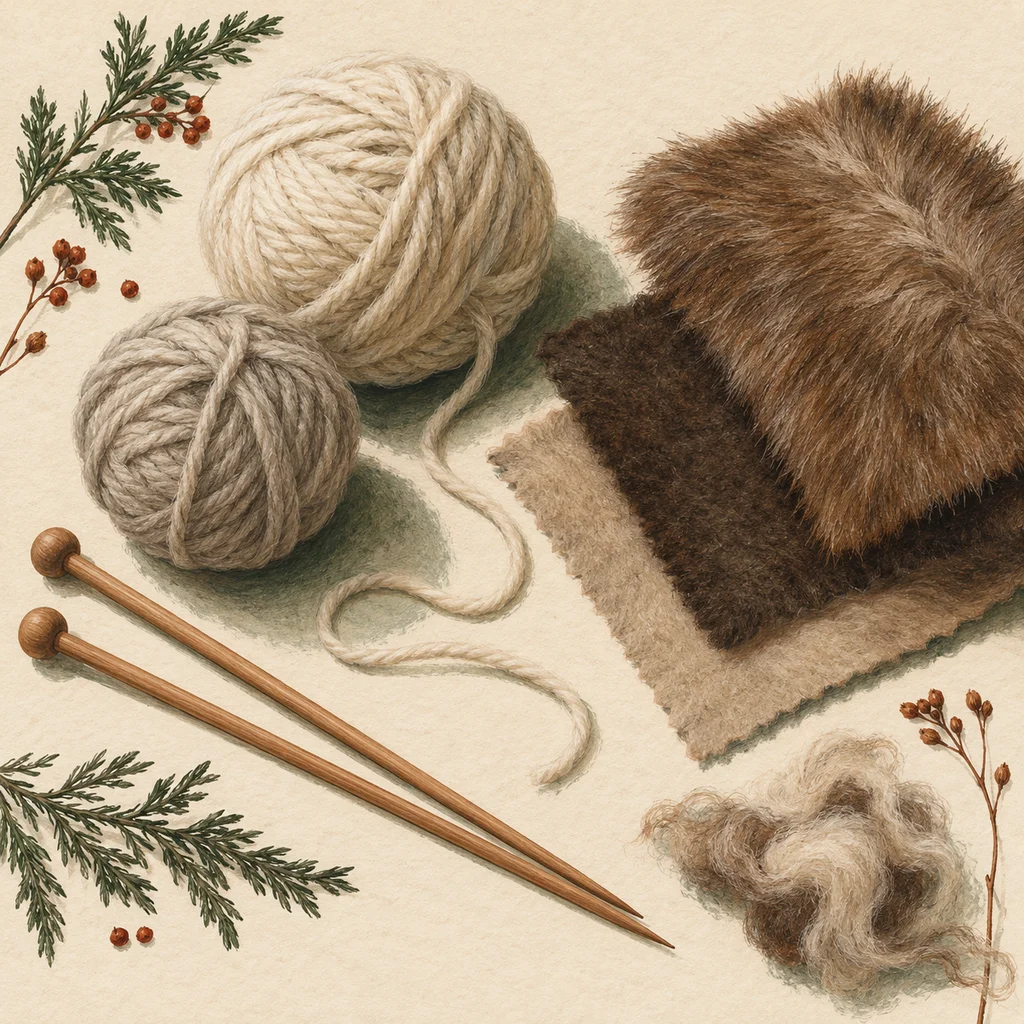
Choose Canadian wool by weight, yardage and fibre content.
Fleece & Harmony’s PEI mill makes and hand-dyes its own yarn while also retailing other brands. Its Selkirk and Point Prim collections provide explicit Canadian fibre content, so the local label can stay tied to those yarn families.
Canadian wool yarn with the blend and gauge spelled out.
Briggs & Little processes wool at its New Brunswick mill and sells yarn for knitting and weaving. Heritage and Durasport give shoppers two clearly different fibre blends, rather than one blanket origin claim across the range.
Hand-knits connecting outport makers with a St. John’s shop.
NONIA is a Newfoundland nonprofit craft business with a network of home knitters and an official online shop. Its adult sweater and accessory collections offer practical clothing while preserving a distinct social-enterprise history.
A Canadian textile brand whose product pages identify where each piece is made.
Pokoloko grew from blankets sold around the Ottawa Valley. Its current range includes towels and household textiles sourced from makers abroad, with Ontario shops and a Gatineau warehouse.
A Montréal clothing studio with a stated repair route beyond the initial purchase.
Anne-Marie and Catherine founded atelier b in 2009. The studio describes its own clothing collections as made in Montréal and offers a repair service alongside its quality guarantee.
Start with the materials and ask what the artisans can make now.
Dene Fur Clouds is a Fort Providence artisan business making knitted fur garments and accessories. Its published mittens and scarf listings describe sheared beaver materials, while availability needs checking.
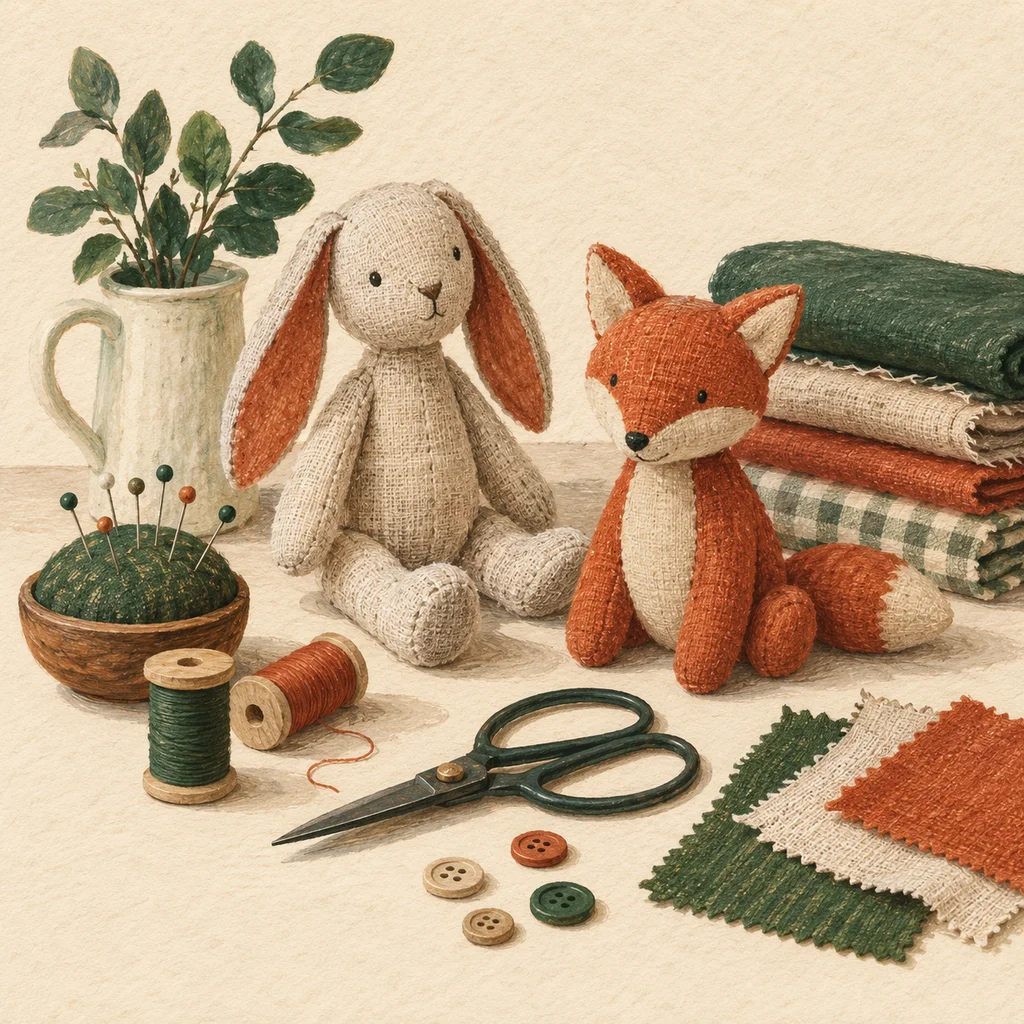
Reclaimed fabrics give small toys their own variations.
Ouistitine's story begins with a first toy made from a grandmother's cashmere sweater. Camille and her mother Sylvie developed a Montreal business around handmade stuffed animals, dolls, toys and accessories using reused natural-fibre textiles.
Ask the Pangnirtung centre what the weaving and craft studios have available.
Uqqurmiut connects a Pangnirtung print shop, tapestry studio and craft gallery with community artists. Official Nunavut Development Corporation and Parks Canada pages describe locally produced weaving and knitted or crocheted goods.