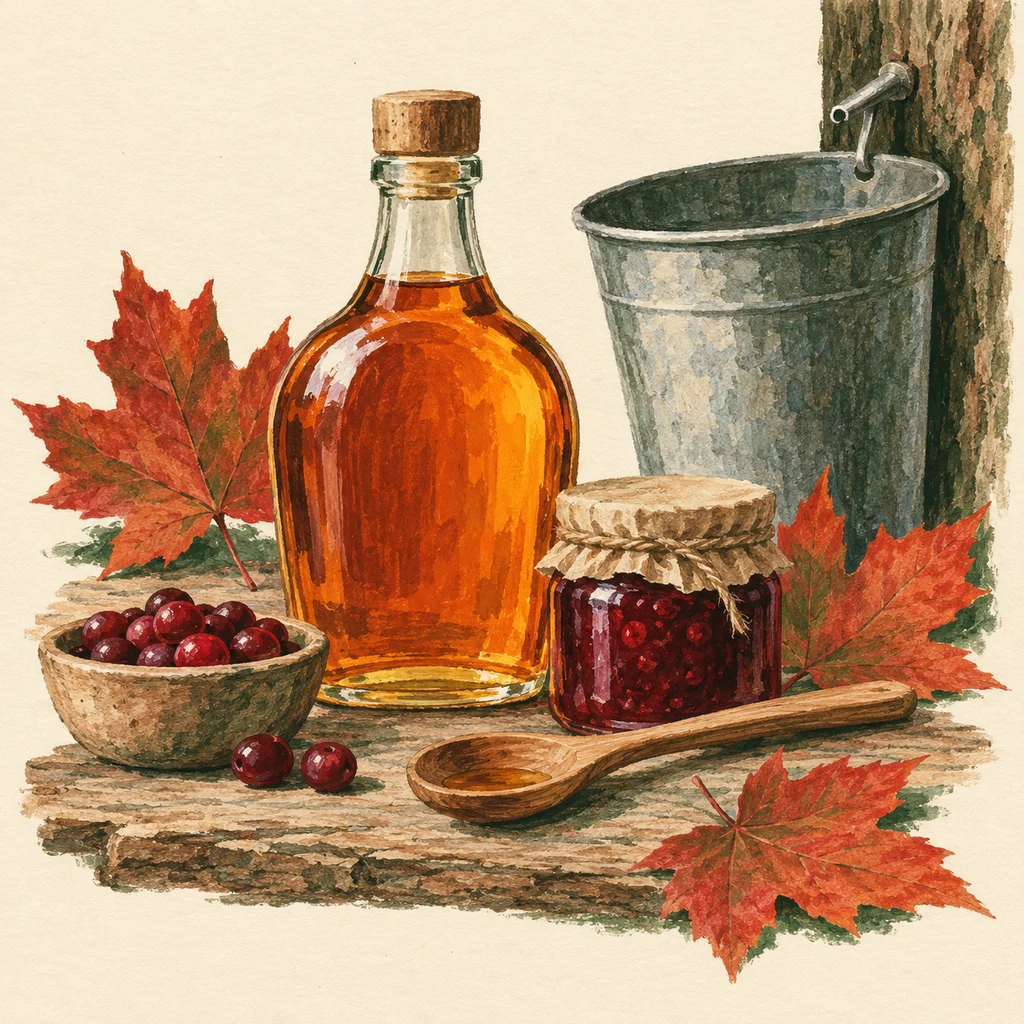
Maple for the breakfast table, with grade and jar details first.
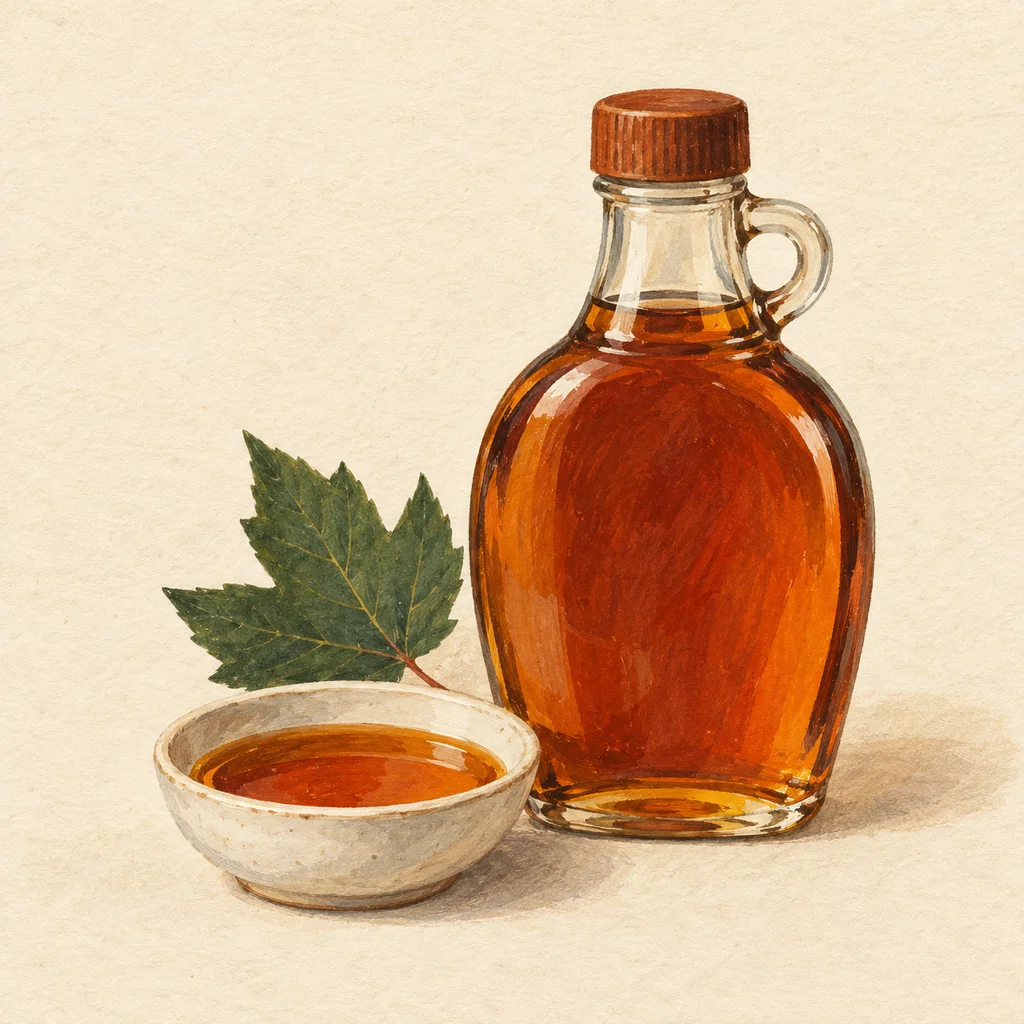
Acadian Maple combines a Nova Scotia maple-processing story with an online shop and an Upper Tantallon retail location. Begin with syrup bottles or the small preserves collection, and check the selected grade and current jar status.
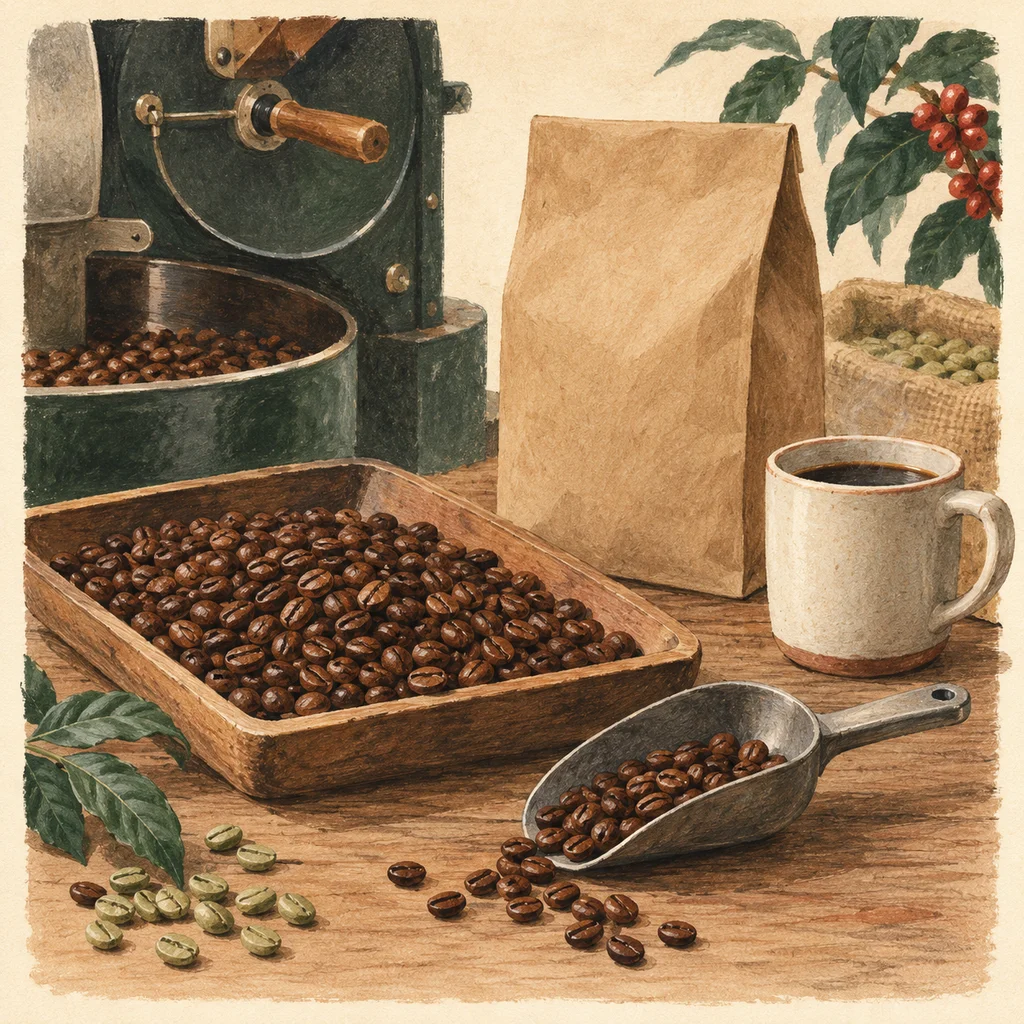
Choose a roast and grind that suit how you actually brew.
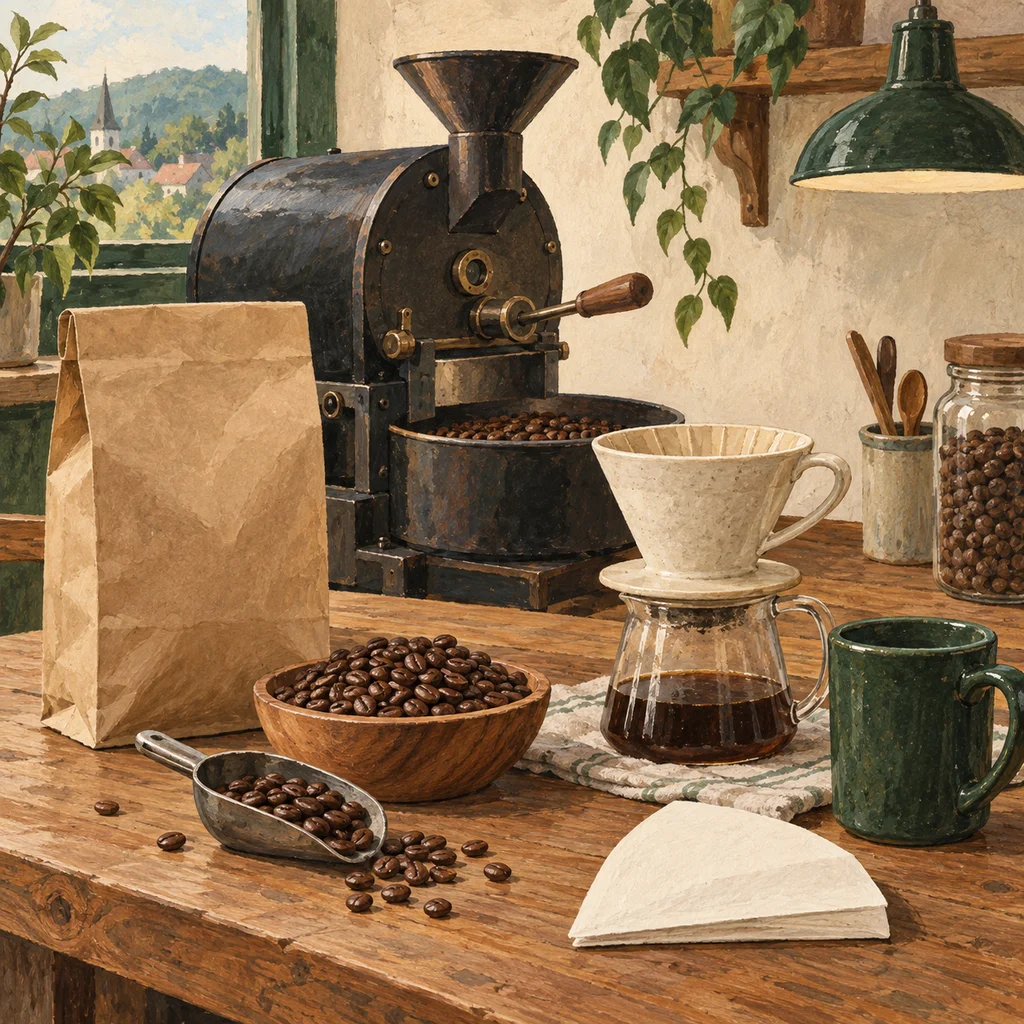
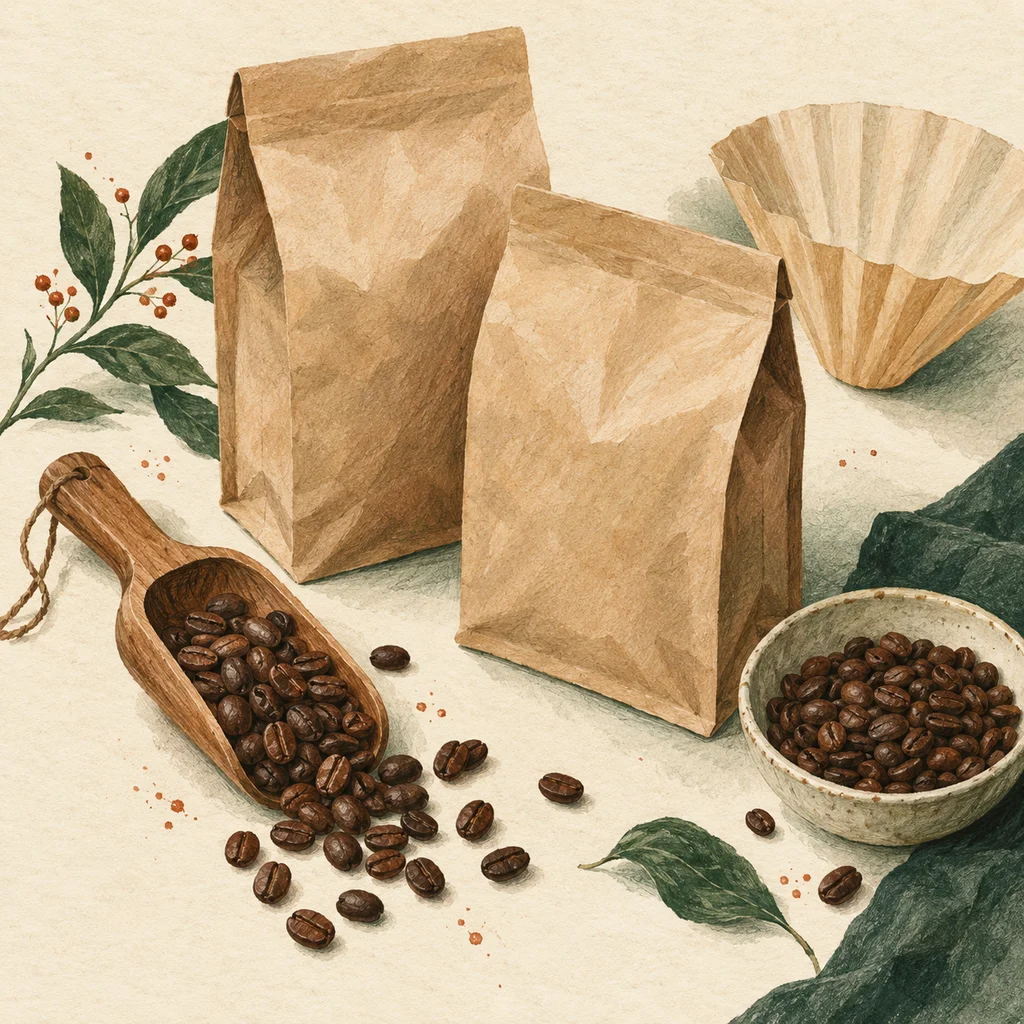
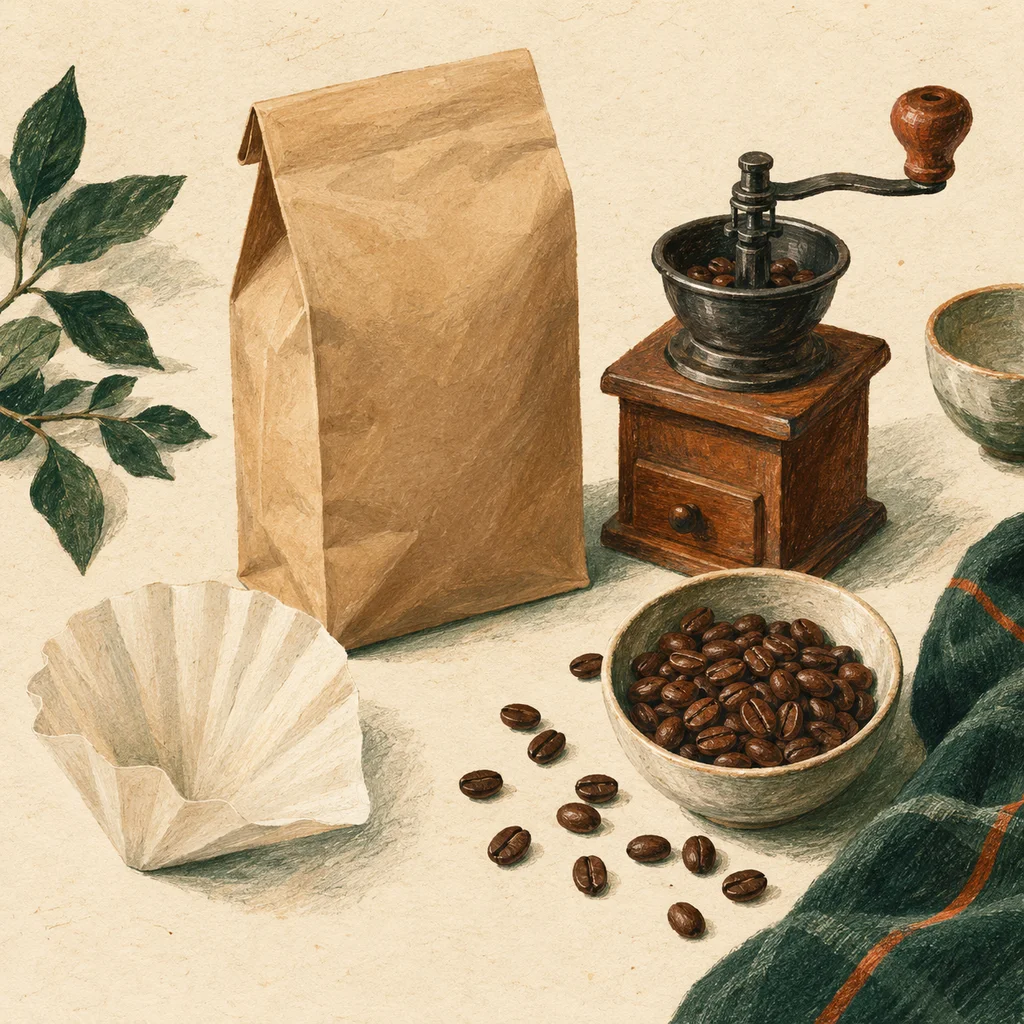
Sissiboo’s coffee shop makes its roast styles and bean origins easy to compare. Tobeatic Wild is a medium Honduran coffee; Fundy Storm is a darker Nicaraguan option, each with whole-bean and grind choices.
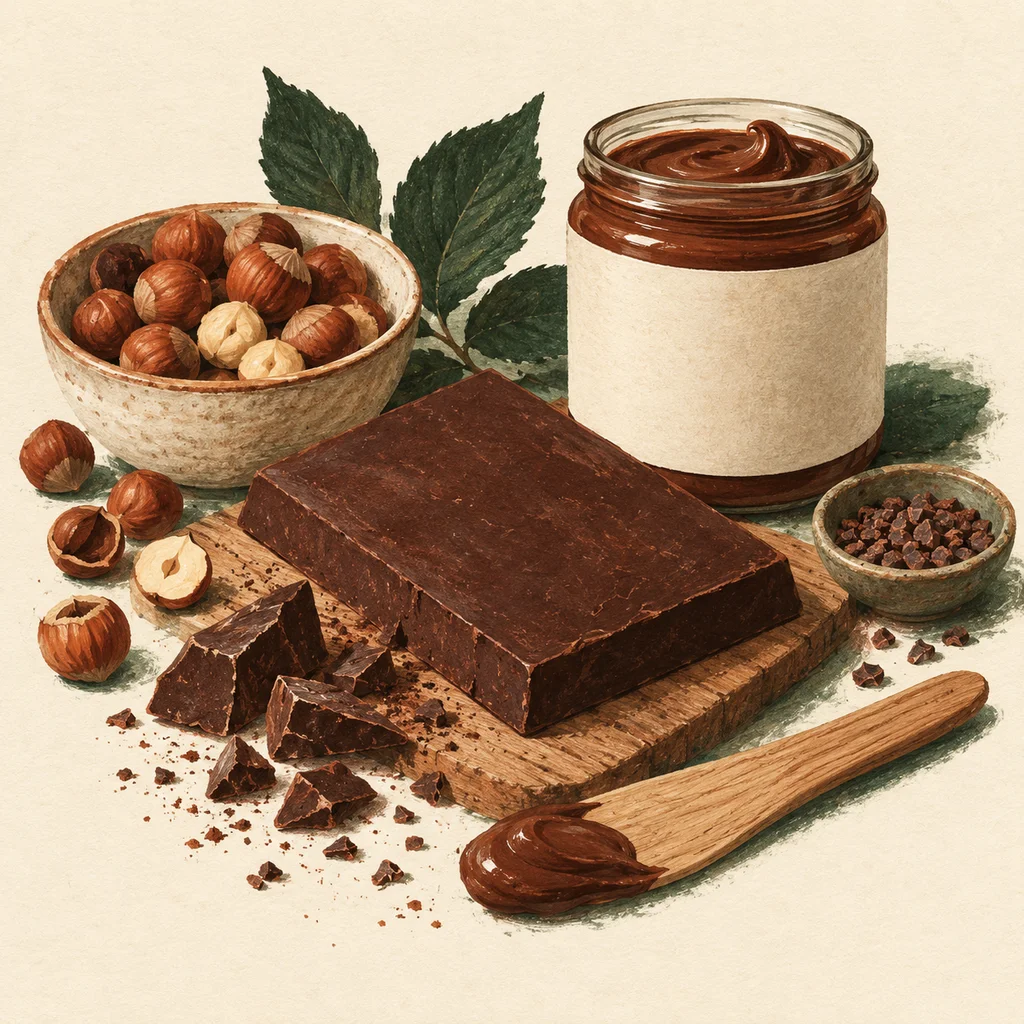
A small chocolate workshop turning nuts and cocoa into spreads and bars.
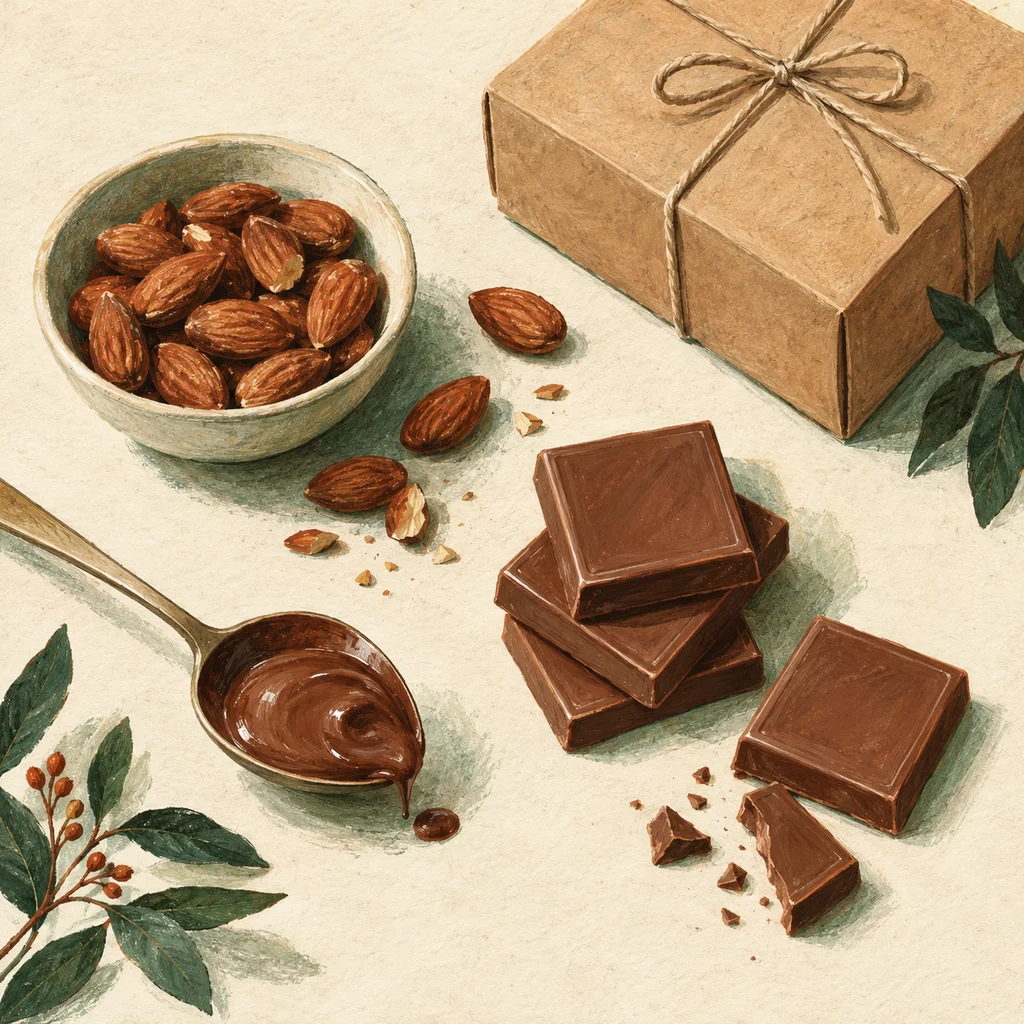
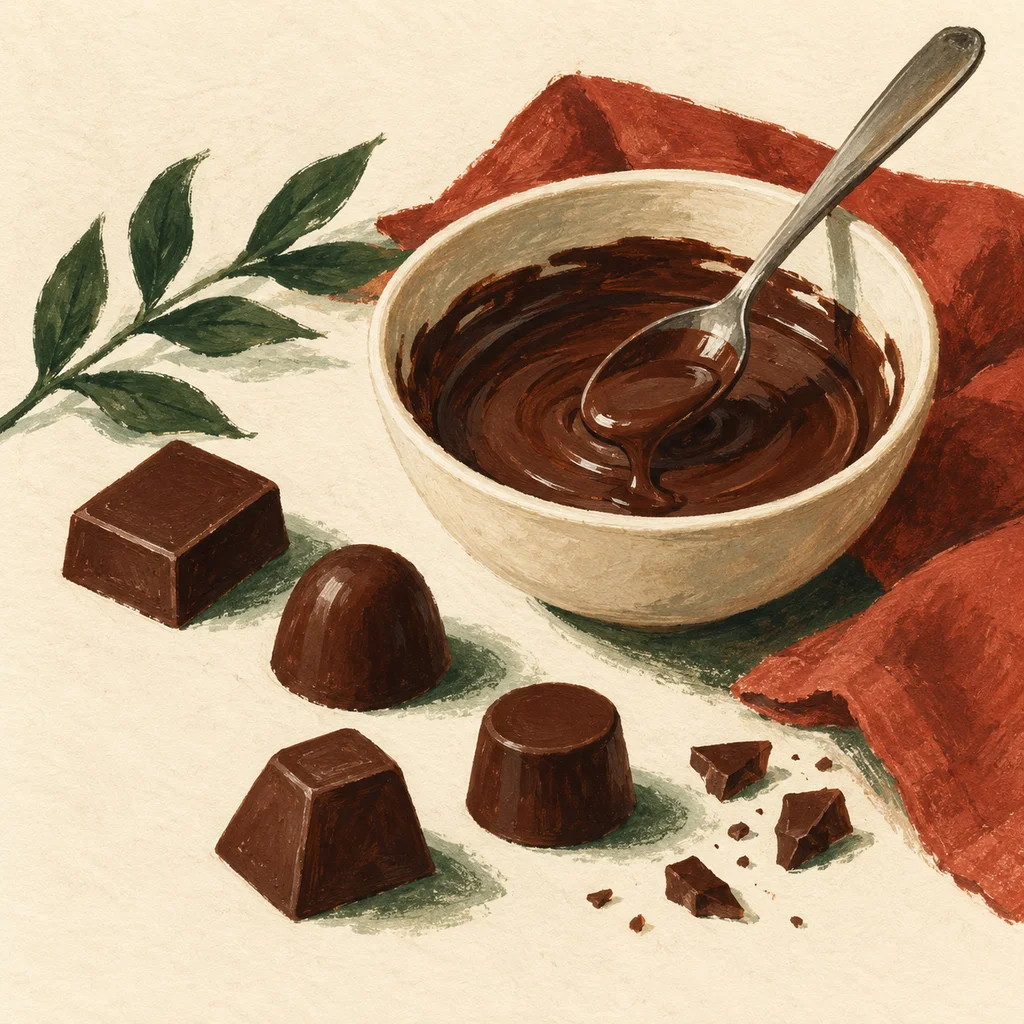
Allo Simonne describes making its spreads and bars entirely in its Montréal workshop, from roasting through labelling. Its range includes hazelnut spreads and bean-to-bar chocolate.
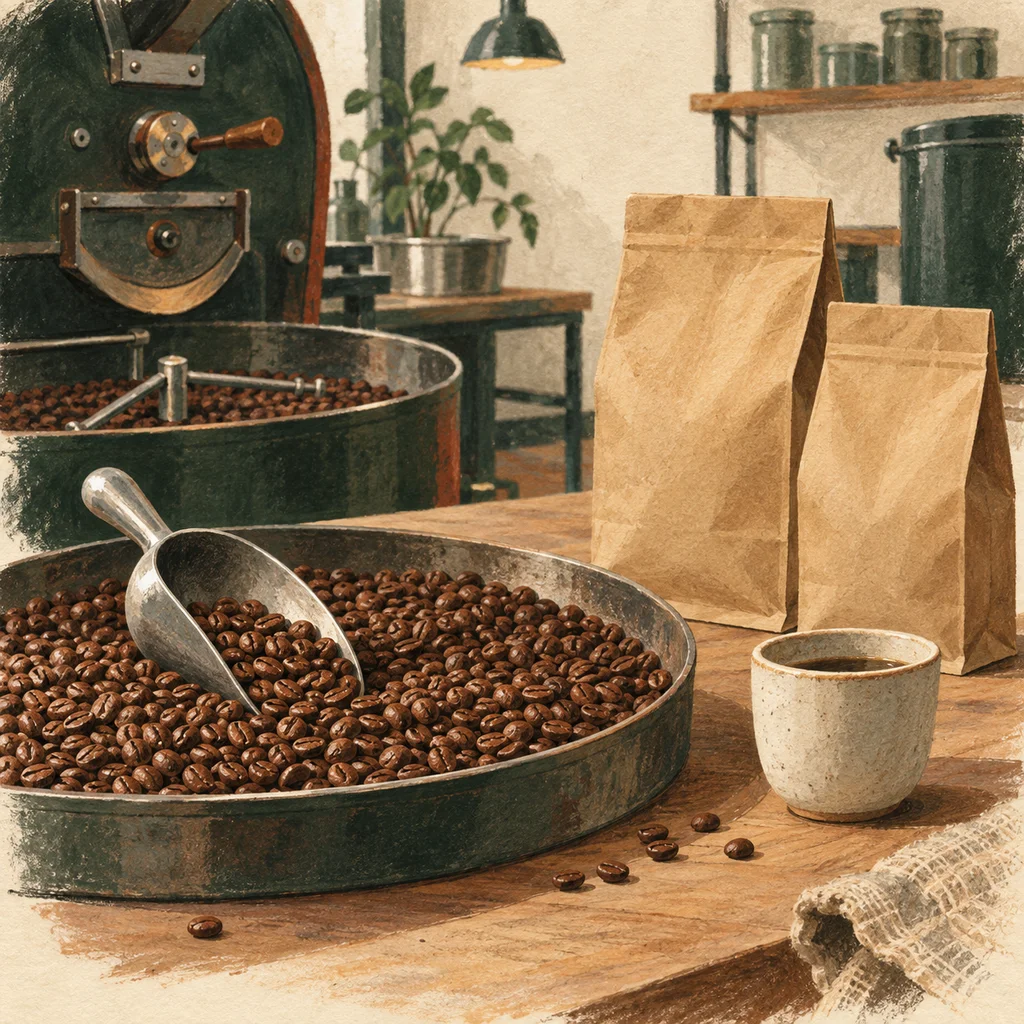
Coffee with a co-op story and clearly named growing origins.
Just Us! describes itself as a worker-owned Canadian coffee co-operative. Its Nova Scotia operation roasts imported beans, with selected listings naming the growing region and offering weight and grind choices.
Start with a flavour, then build a small pantry gift.
The Preserve Company pairs a New Glasgow food business with jars and gift boxes available through an official online shop. The current preserve collection gives named flavours and jar options, with backordered and sold-out items to check.
A New Brunswick confectionery story with useful gift choices.
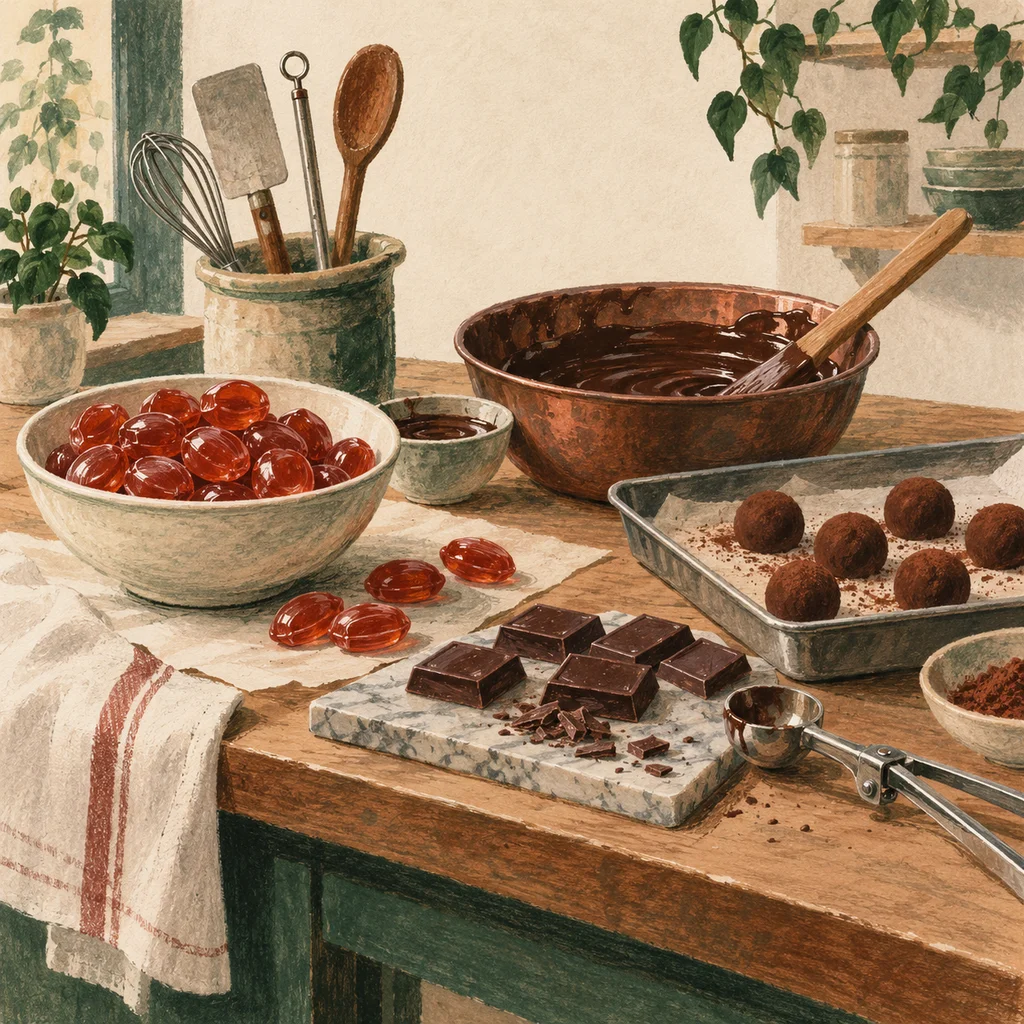
Ganong’s official shop offers Chicken Bones candy and a separate collection of hand-crafted chocolates. The St. Stephen connection is explicit, while the cocoa and other ingredients should not be presented as Canadian-grown.
Choose a molasses for the recipe, with ingredient origins kept clear.
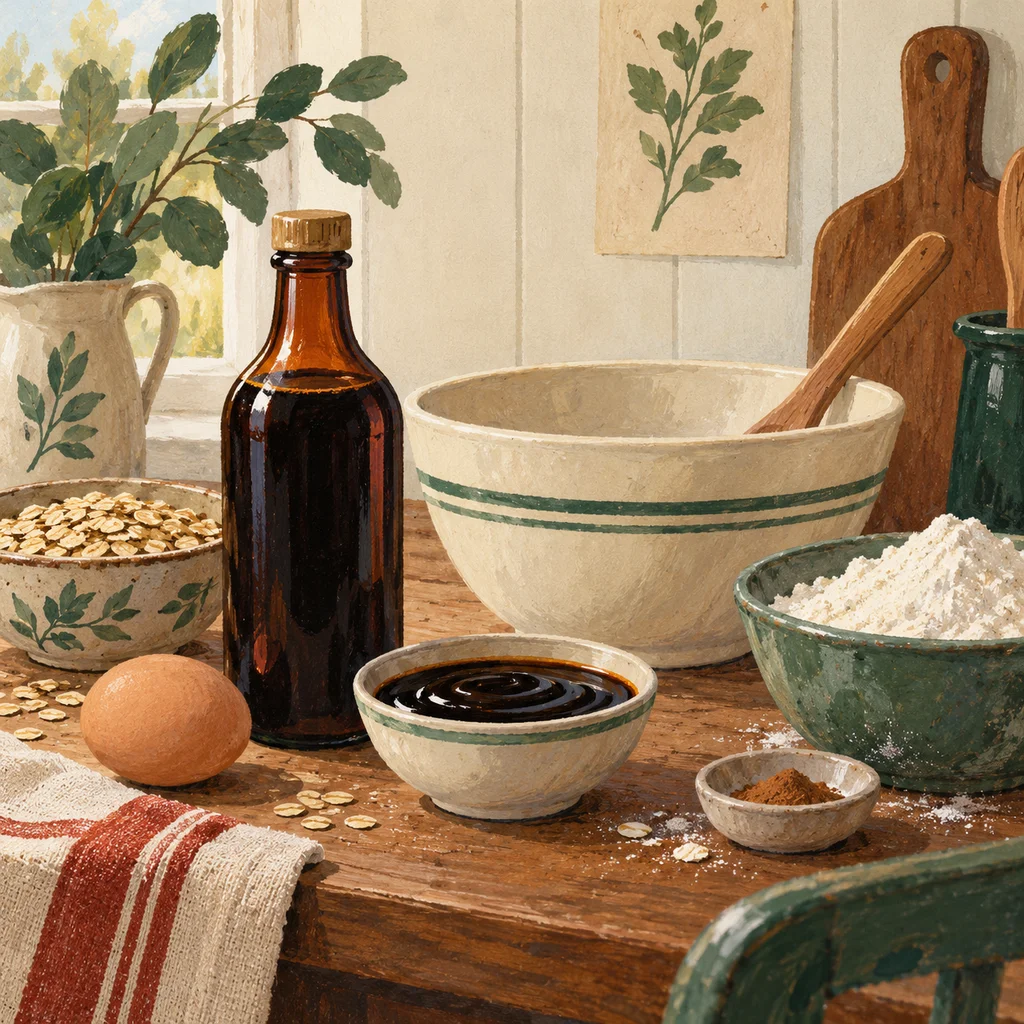
Crosby Foods is a Saint John food business with Fancy, Blackstrap and Cooking molasses in its product range. Its product page explains their differences and also identifies Guatemala as the source of its Fancy molasses.
Northern berry preserves with the harvest region kept honest.
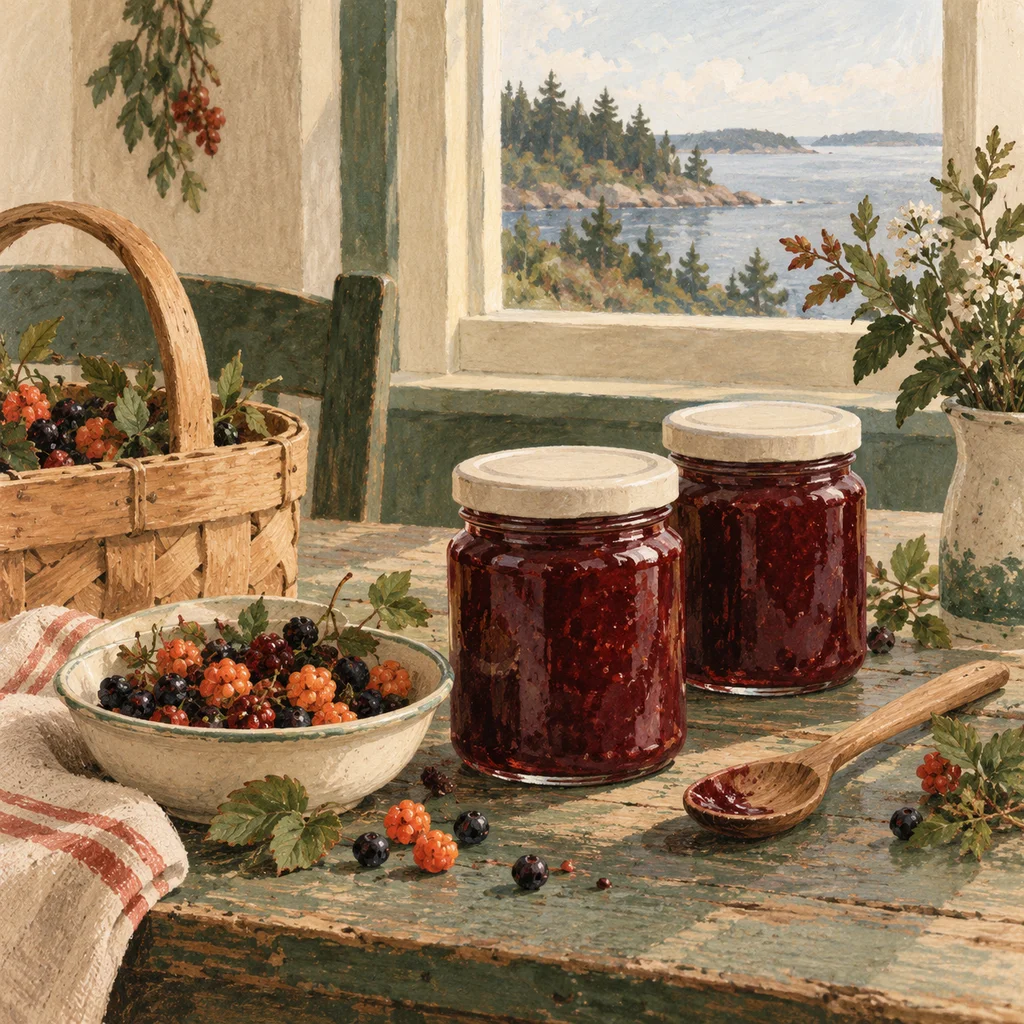
Dark Tickle makes wild berry products in northern Newfoundland. Its bakeapple and crowberry jam listings give shoppers distinct preserves to explore, while its sourcing story extends beyond Newfoundland into Labrador and northeastern Quebec.
Coffee roasted in a tiny Newfoundland heritage building.
Bonavista Coffee Company describes a woman-owned roastery supplying online shoppers and wholesalers from rural Newfoundland. Long Beach and Moonlight are named coffee families, with the specific green-bean lot and blend subject to change.
Concentrated drink syrups with recipes and storage directions to compare.
3/4 OZ. is a Montréal syrup company offering tonic, ginger and other drink concentrates. The reviewed tonic and ginger pages identify specific recipes rather than a general flavour promise.
A Gaspésie maple producer whose syrups differ by harvest timing.
Martin Malenfant established Érablière Escuminac in 1998 on a maple-growing area in Gaspésie. Its shop separates syrup harvested early in the run from darker syrup collected later.
Pick a roast, a bag size and the grind your brewer actually needs.
Bean North’s Yukon roastery dates to 1997. Its shop lists Yukon Wild in several bag sizes and grind choices, alongside Tombstone Espresso and other blends using coffee grown outside Canada.
A Winnipeg chocolate shop where the ingredients matter as much as the box.
Mordens traces its family chocolate business to Blake and Shirley Morden’s 1959 start in Winnipeg. Exact listings describe Russian Mints and milk-chocolate-covered roasted almonds, including allergen information.
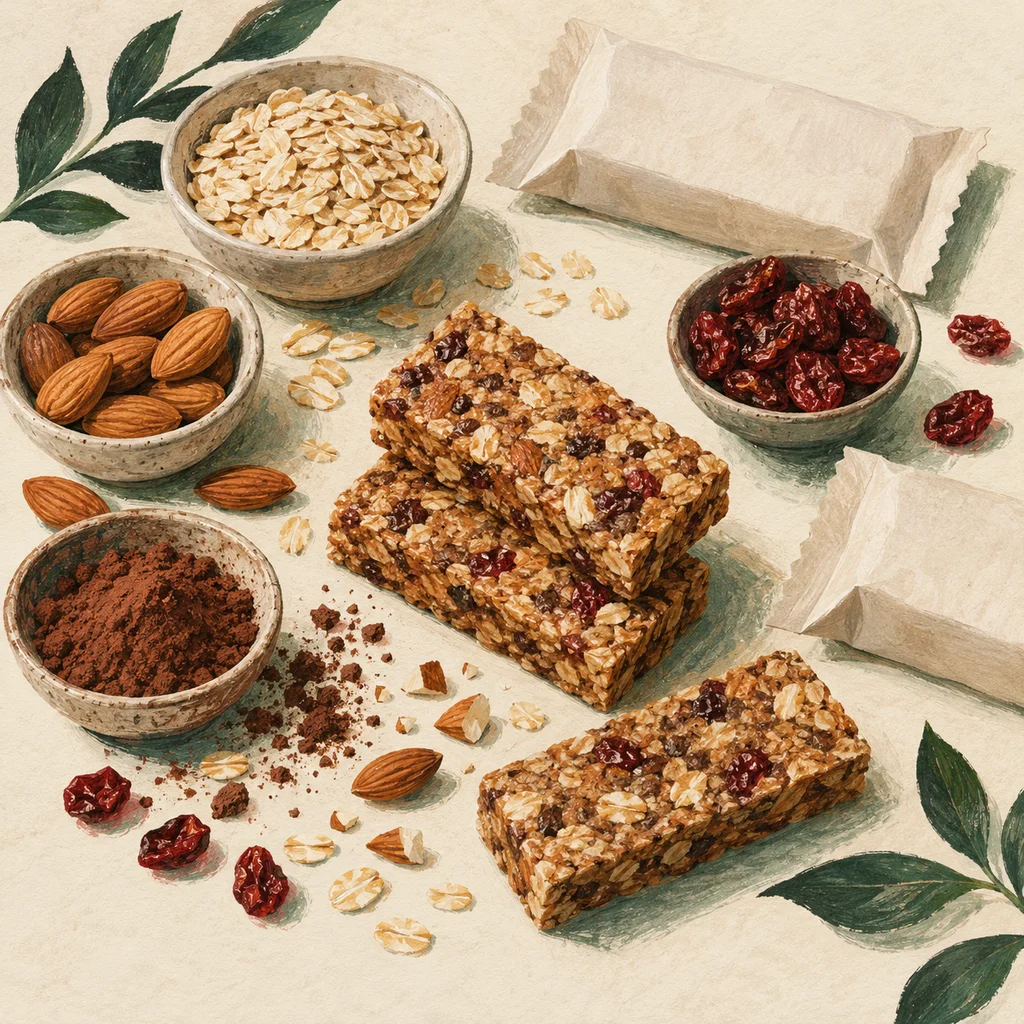
GORP’s official story follows Colleen and Grant from a Canadian prairie farmhouse kitchen into a snack-bar business. Its selected cocoa and raspberry bars publish detailed recipes; an exact Manitoba town was not confirmed in the checked primary pages.
Compare a smooth dill mustard with a whole-grain style.
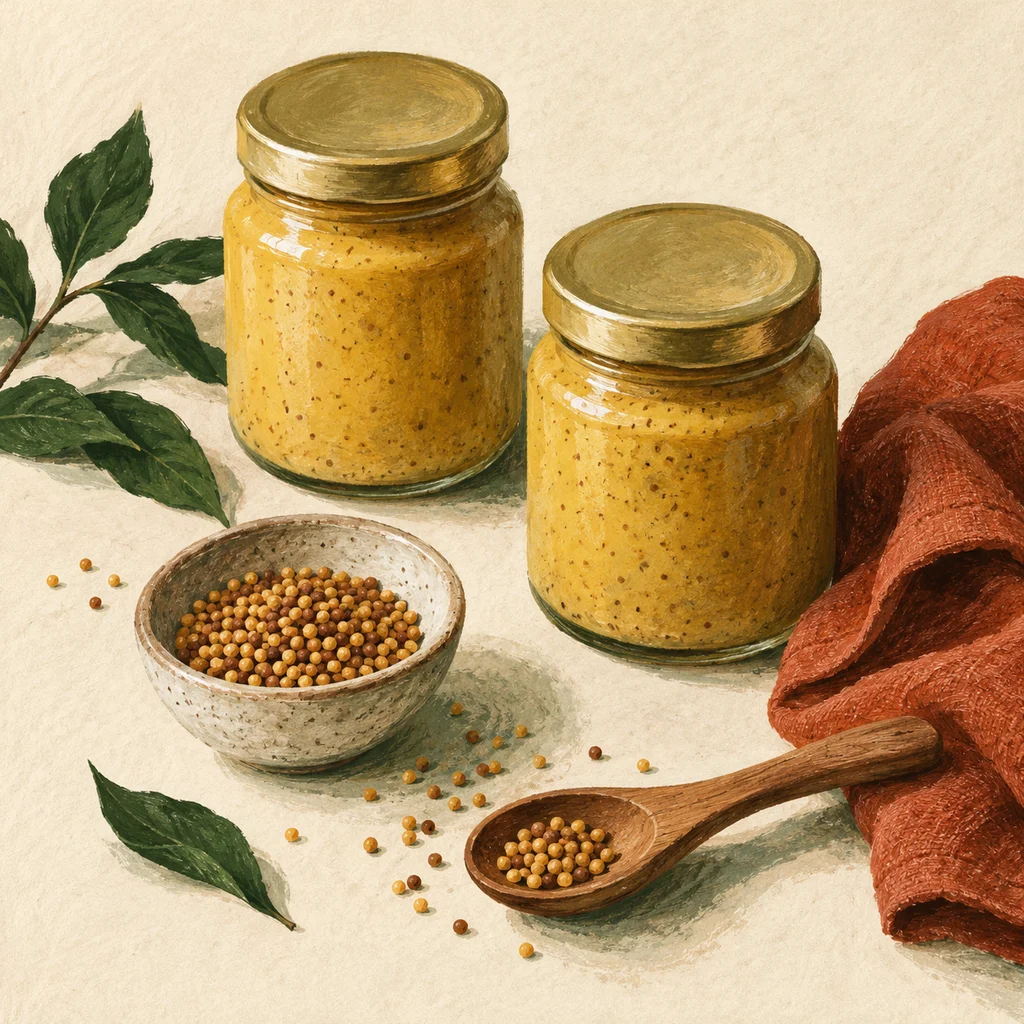
Gravelbourg Mustard traces its Saskatchewan business to 2008 and identifies provincial mustard seeds in its production story. Its product page distinguishes dill-pickle and German-style whole-grain recipes.
Canadian farming roots, with the ingredient list close at hand.
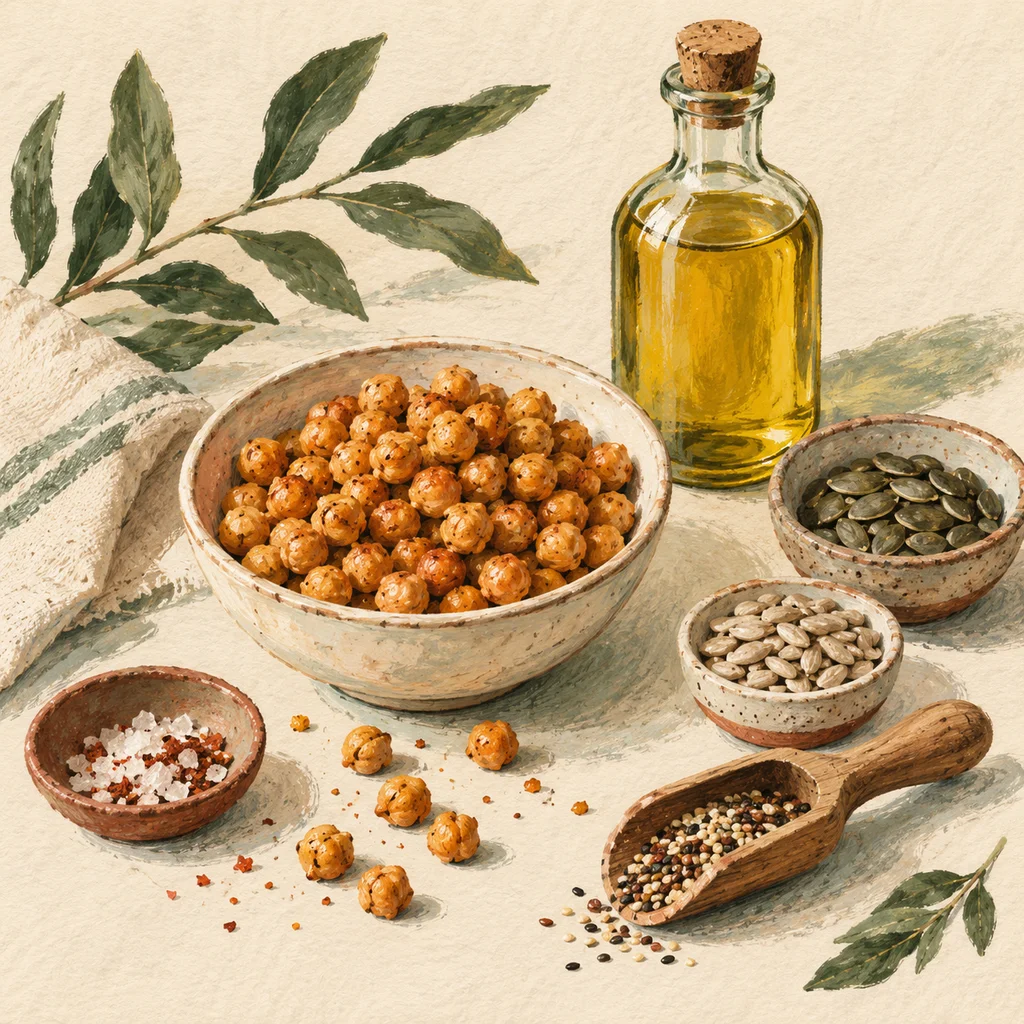
Three Farmers connects its food business to Canadian farmers and a Saskatoon headquarters. Sea Salt chickpeas and Original Camelina Oil give two precise ways to explore the range without adopting nutrition claims.
A distillery where the farm and fermentation work share a location.
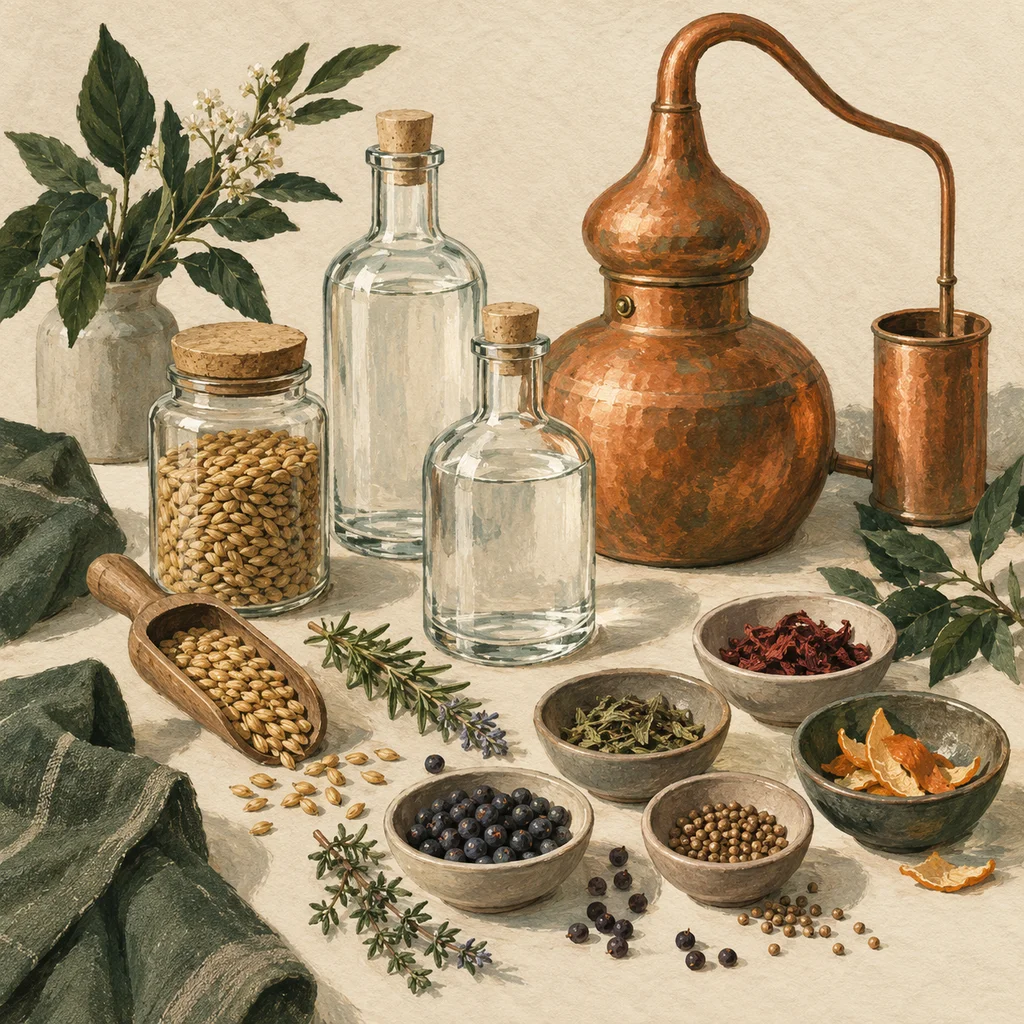
John Cote and Barb Stefanyshyn-Cote established Black Fox in Saskatchewan in 2015. The business says spirits carrying its name are fermented and distilled at the Saskatoon-area farm, with gin and SE Eleven whisky as entry points.
A Saskatoon coffee name now reached through its online shop.
The Broadway Roastery traces its family business to Saskatoon in 1993. Its current story says the cafés have closed and coffee continues online; Dark Colombian and the listed Broadway Espresso are useful catalogue starting points.
Gourmet Sauvage tells a family story beginning with Gérald Le Gal in 1993 and continuing with Ariane Paré-Le Gal and Pascal Benaksas-Couture. Its account connects Quebec wild ingredients with artisanal processing in a Laurentian kitchen.
Factory baking and ingredient origins kept separate.
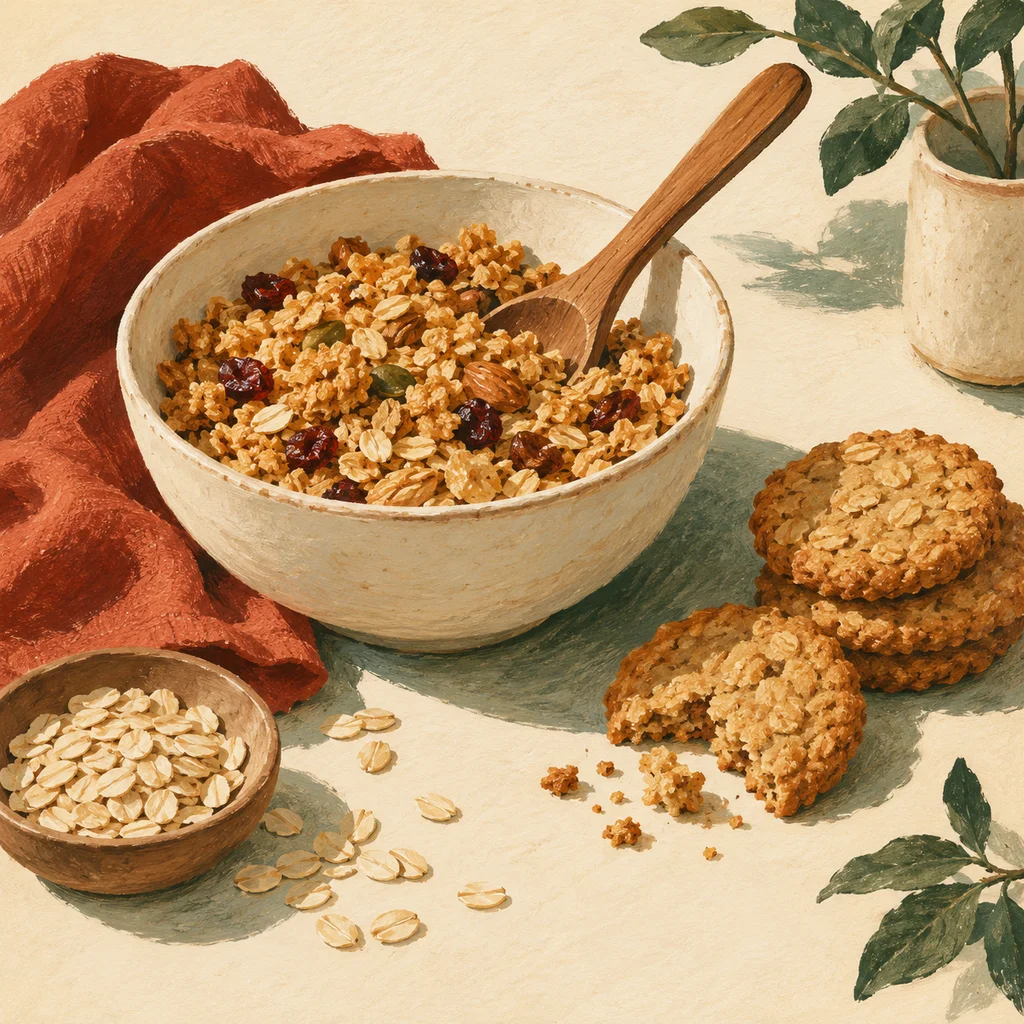
Prana's official story describes a family-owned plant-based food company. Selected Granolove maple-spice granola and berry cookie squares make the Canadian production connection specific: both product pages identify baking at the Montreal factory.
Mail-order chocolate and a store visit are different orders.
Chocolats Favoris describes a Quebec chocolate-making tradition dating to 1979 and a factory producing fine chocolate, bars and coatings. Its catalogue lists chocolate fondues and small Original Milk and Original Dark bars.
Explore tea by growing region, through Canadian specialist shops.
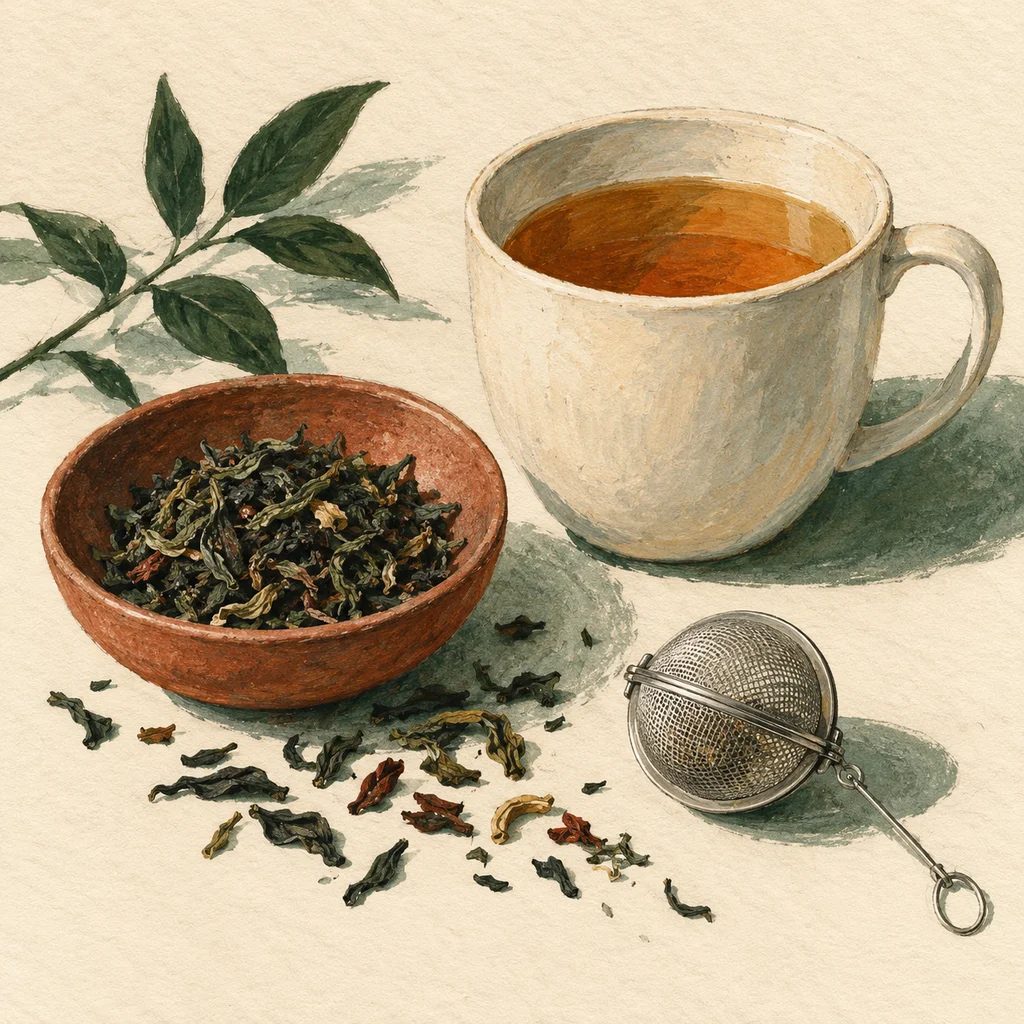
Camellia Sinensis has shops in Montreal and Quebec City, while its teas come from named growing regions abroad. Explore the selected tea listings and confirm the current harvest lot before ordering.